
Author: Fermention
-
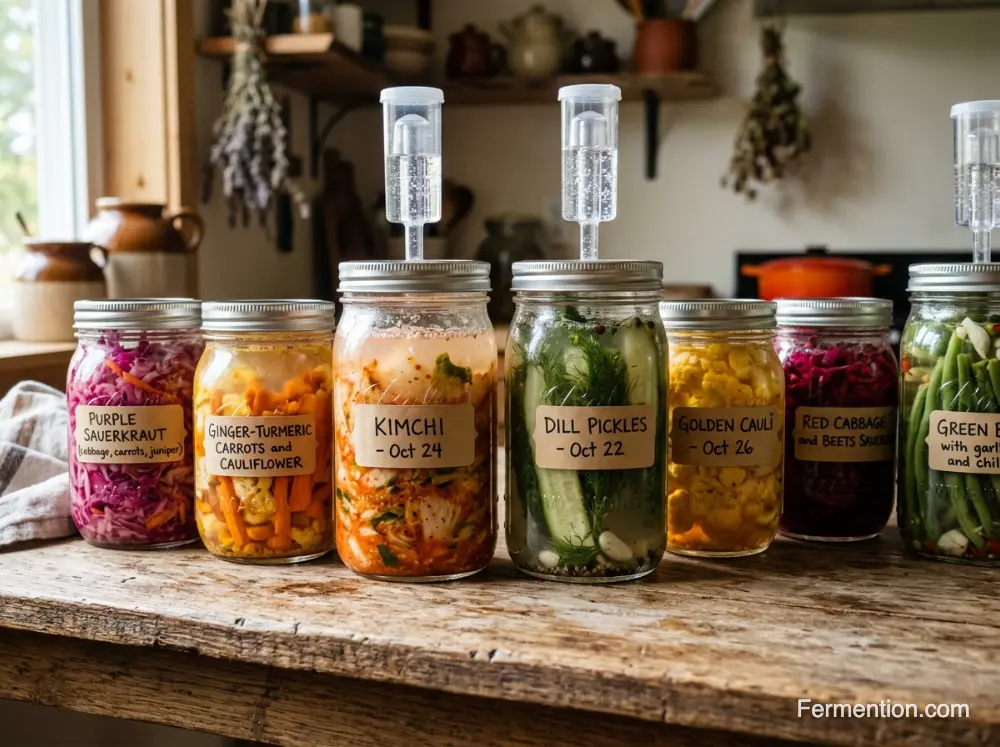
⚠️ SAFETY WARNING: While home fermentation is incredibly safe when following established protocols, always ensure your equipment is sanitized. If you see fuzzy mold (black, red, or green) or smell a putrid, “garbage-like” odor, discard the batch immediately. Maintain an anaerobic environment by keeping all vegetables submerged beneath the brine at all times. When in…
-
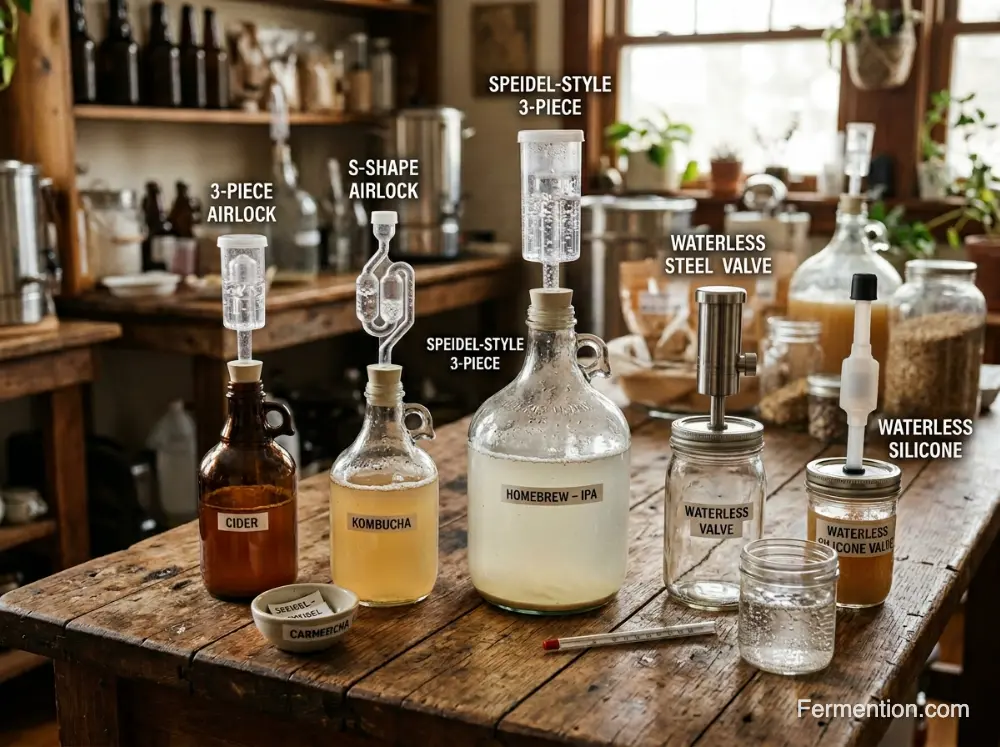
⚠️ SAFETY WARNING: Always sanitize airlocks with food-grade sanitizer before use. If you see fuzzy mold (black, green, or red) or smell putrid, ammonia-like odors, discard the batch immediately. Maintain an anaerobic environment by keeping all vegetables submerged beneath the brine at all times. Target pH: 4.6 or lower (ideally 3.4-3.9). Author: The Fermention Team…
-
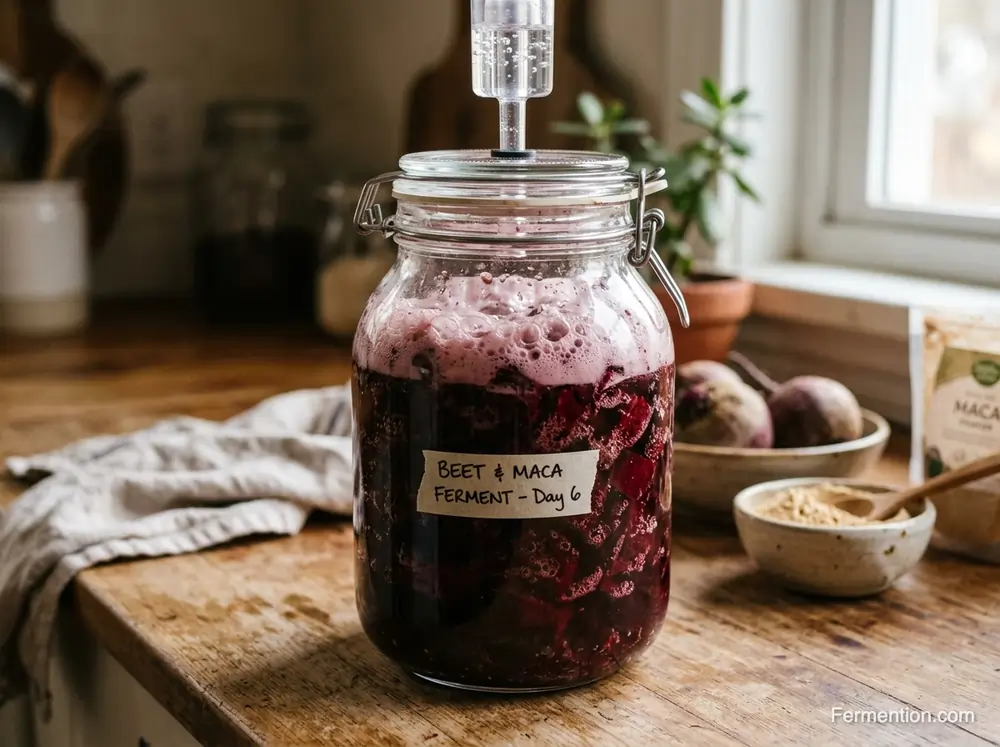
⚠️ SAFETY WARNING: Maintain a strict anaerobic environment by keeping all root vegetable solids submerged below the brine, as soil-borne pathogens require oxygen to multiply. A safe ferment must reach a pH of 4.0 or lower within the first few days; discard the batch immediately if it smells like acetone, rancid cheese, or develops fuzzy,…
-
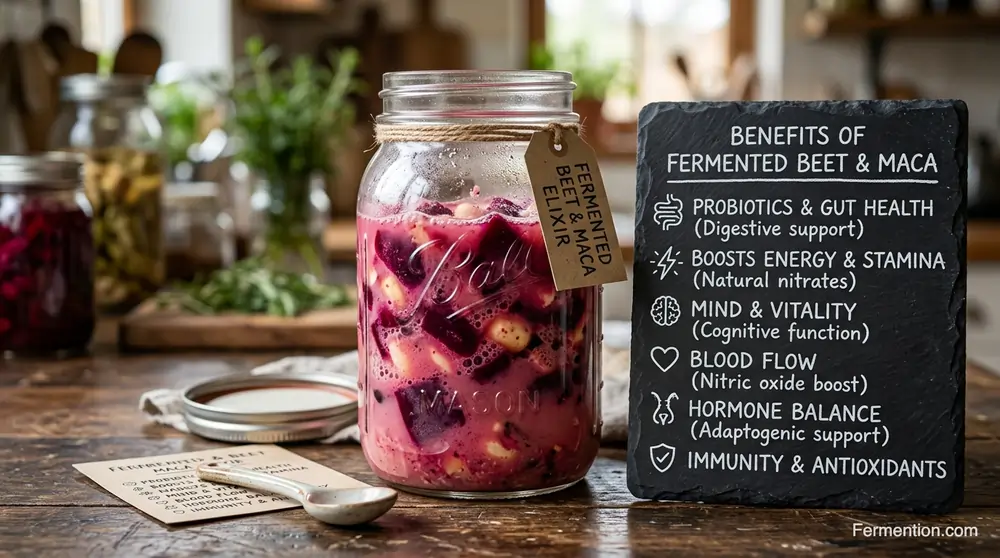
⚠️ SAFETY WARNING: Always discard ferments that show fuzzy growth (black, green, or red mold) or emit a putrid, ammonia-like odor. Maintain an anaerobic environment by keeping all vegetables submerged beneath the brine at all times. Ensure your ferment reaches a pH of 4.6 or lower (ideally 3.4-3.9) before consuming. The Fermention Team | 7+…
-
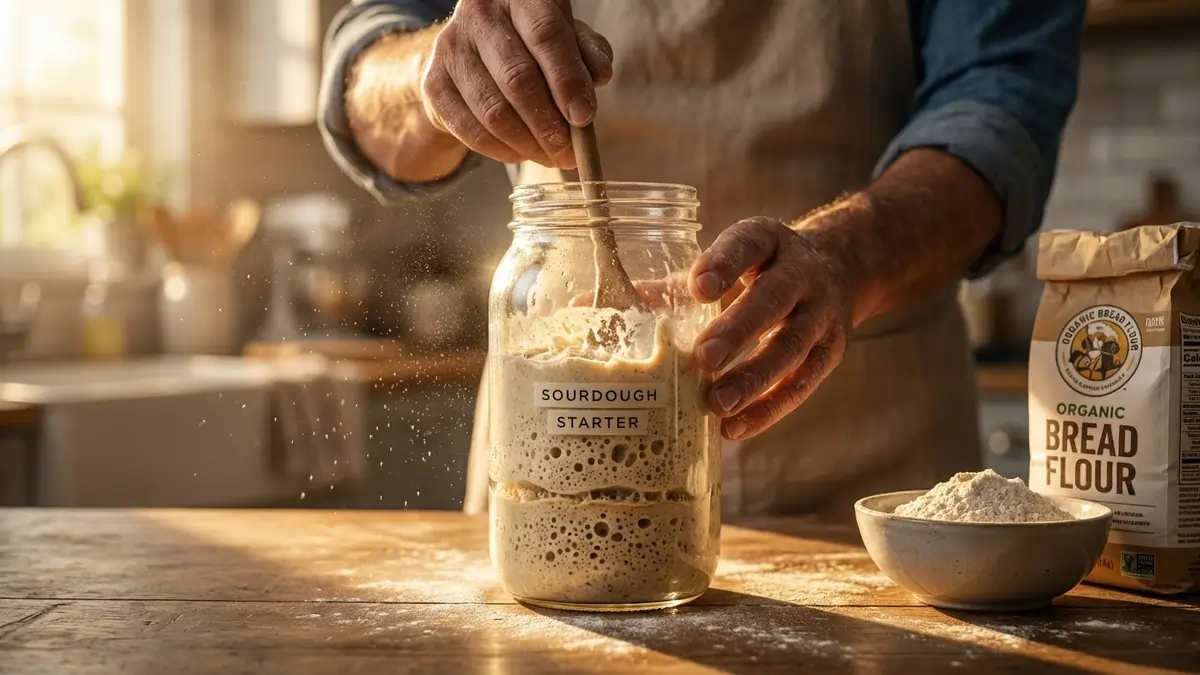
I get it. You’ve seen the beautiful loaves, scrolled past the perfect Instagram posts, and thought, “I can do that!” Only to find yourself staring at your sourdough starter—now a jar of grey liquid or, worse, something fuzzy—wondering if you’re cursed. I used to panic about this too. My first five starters died. One grew…
-
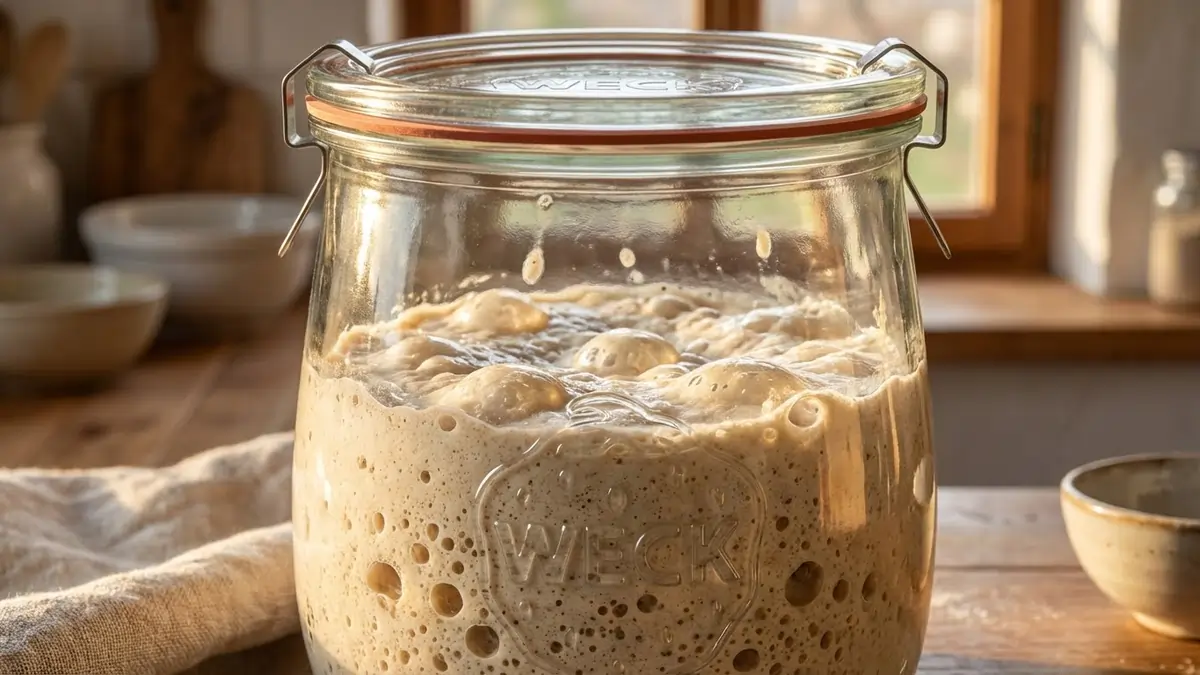
Embarking on the journey to create your own DIY sourdough starter guide can feel daunting, but with the right approach, it’s a deeply rewarding path to self-sufficiency and the incredible flavors of “slow food.” At Fermention.com, we understand the nuances of home fermentation, especially for those balancing a busy life. This guide cuts through the…
-
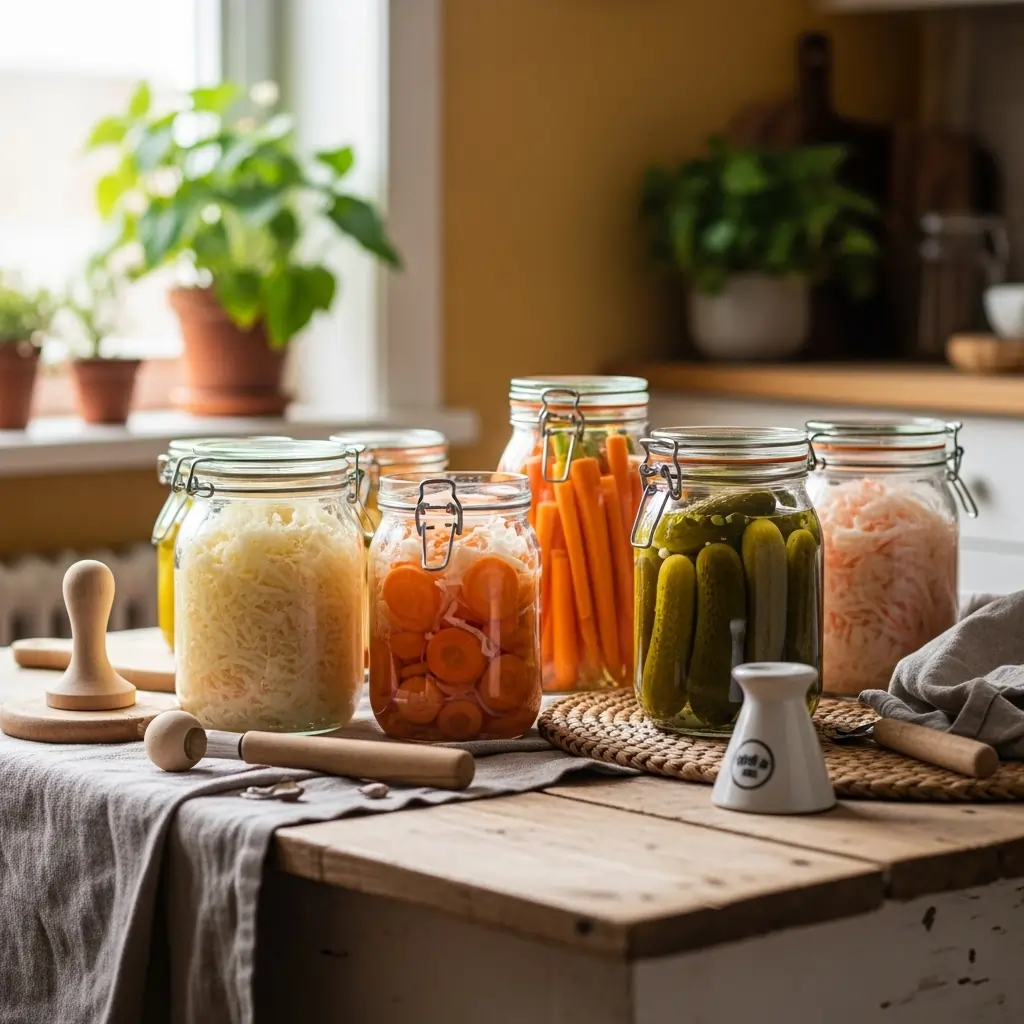
Quick Answer: Unlock the Magic of Beginner Fermentation Ready to kick off your fermentation journey? It’s a simple, delicious adventure, we promise! For beginners, here’s the secret sauce: prioritize super clean equipment, always use non-iodized salt, and, most importantly, keep those veggies happily submerged in brine. The core steps are straightforward: prep your produce, whip…
-

Quick Answer: Fermented Foods Gut Health Fermented foods are rich in beneficial live bacteria, known as probiotics, which significantly enhance gut health. By introducing diverse microbial strains to your gut microbiome, these foods aid digestion, improve nutrient absorption, and strengthen the immune system. Regular consumption helps balance gut flora, fostering a resilient internal environment for overall well-being. Table…
-
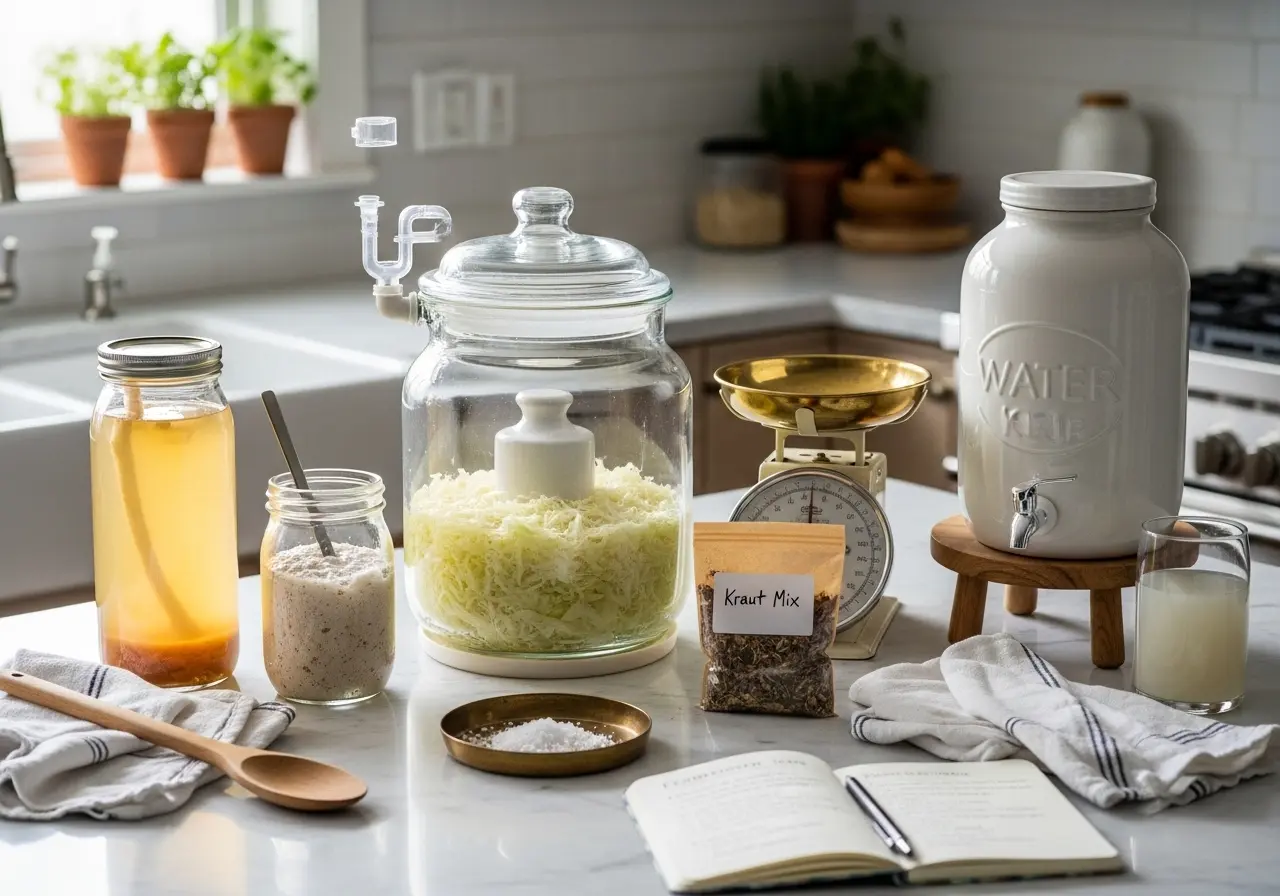
Quick Answer: Your Essential Tips for Home FermentationMastering home fermentation involves selecting fresh, organic ingredients, using non-iodized salt (2-3% by weight), and filtered water. Crucially, always keep all vegetables submerged under brine to prevent mold. Maintain a consistent temperature (65-75°F / 18-24°C), and use clean, sterilized equipment. Regularly taste your ferment to determine its readiness for peak…
-
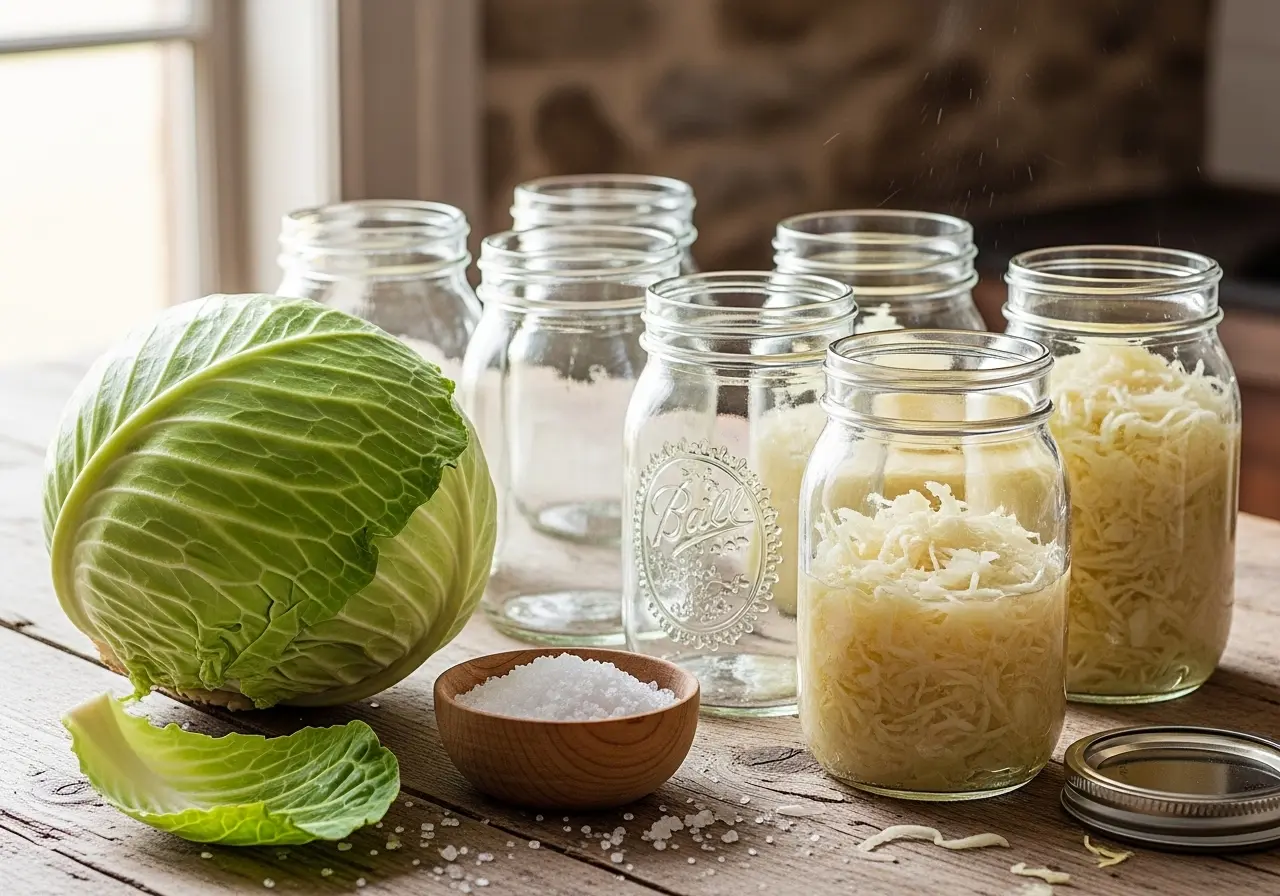
Quick Answer Summary: Sauerkraut is made by lacto-fermenting shredded cabbage with non-iodized salt. Massaging draws out brine, submerging the cabbage in an anaerobic (oxygen-free) environment. Lactobacillus bacteria (beneficial microbes naturally present on vegetables) convert sugars to lactic acid, preserving the cabbage and creating its tangy flavor. This process yields a probiotic-rich food (meaning it contains…
-
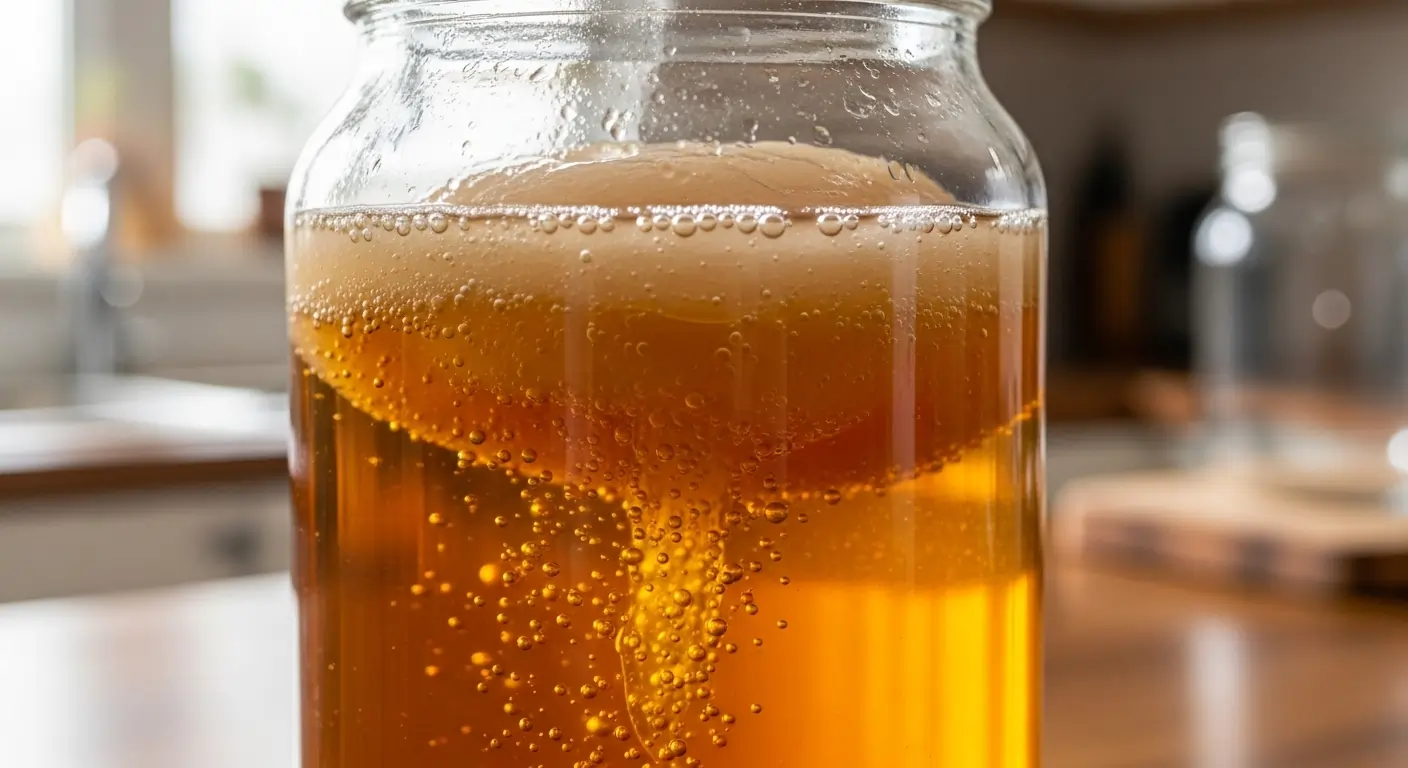
Quick Answer: Mastering how to make kombucha at home is easier than you think. The journey starts by brewing sweet tea and allowing it to cool. Next, you’ll introduce a SCOBY (Symbiotic Culture of Bacteria and Yeast) and starter tea into a glass jar. Cover it with a breathable cloth and let it ferment for…
-
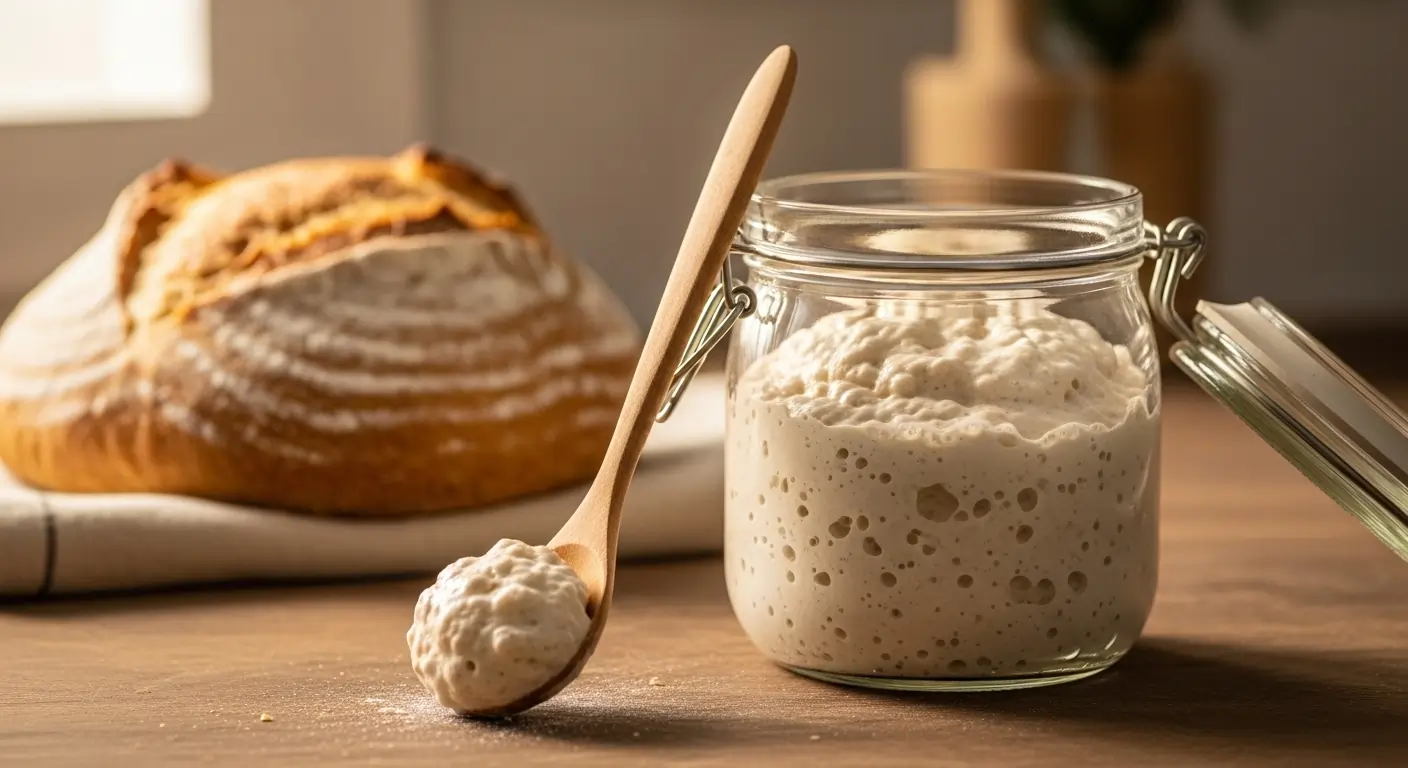
There’s a unique kind of disappointment that comes from staring at a motionless jar. You followed every step, measured precisely, and waited with anticipation, only to be met with… nothing. No gentle bubbling, no tangy aroma, no signs of life. It’s a common and deeply frustrating moment when your home fermentation starter culture seems to have failed…
-
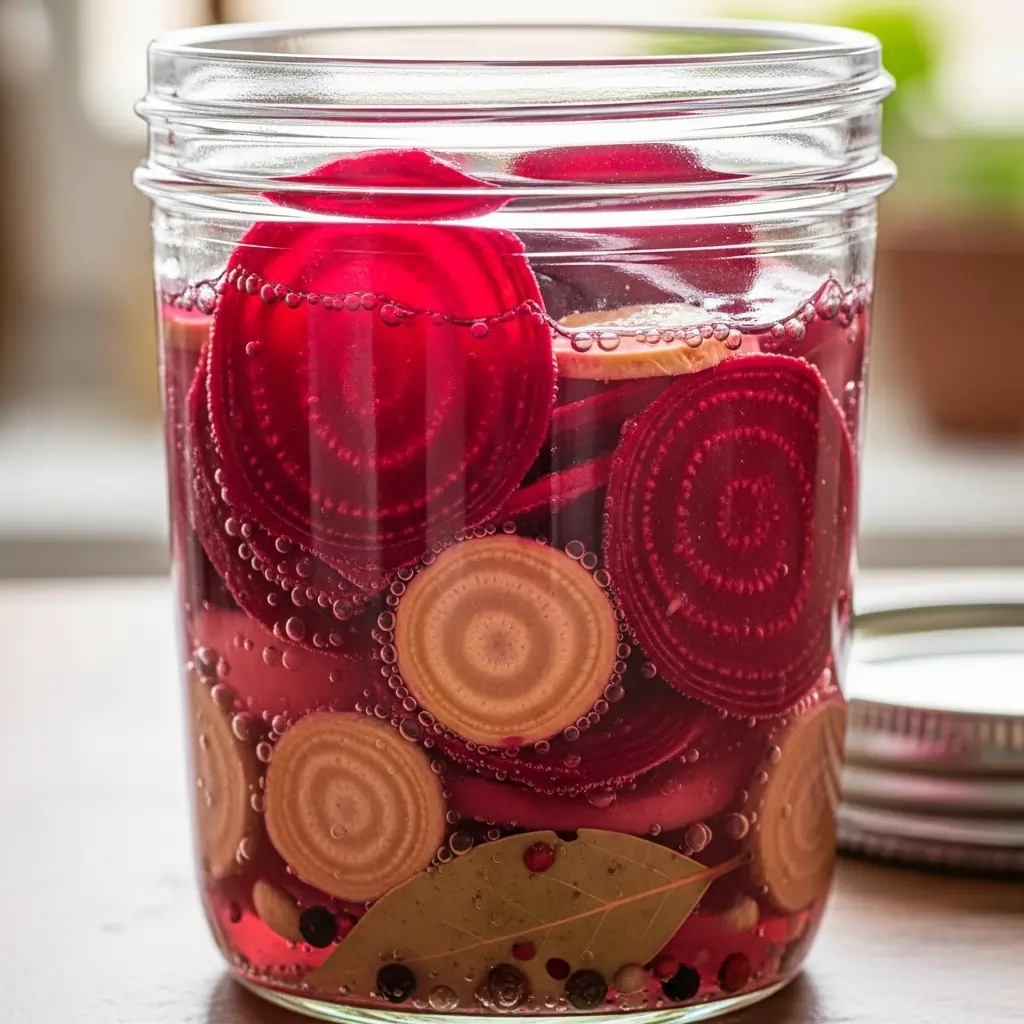
Imagine a single food that could support your energy levels, nourish your gut, and deliver a powerhouse of nutrients in every tangy, delicious bite. It might sound too good to be true, but that’s the incredible synergy you unlock with fermented beet with maca. This vibrant, earthy ferment is more than just a tasty condiment; it’s…
-
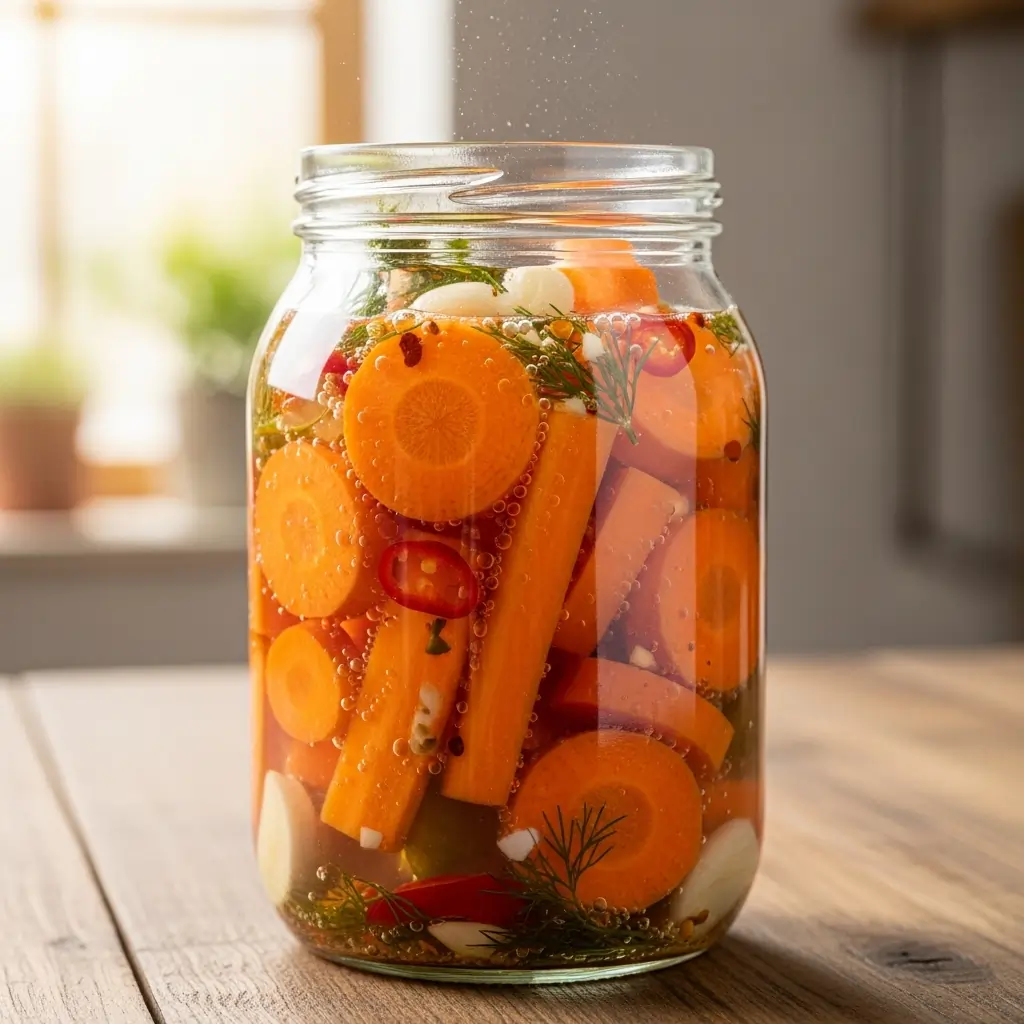
Imagine the satisfying crunch of a perfectly fermented carrot stick—brilliantly tangy, slightly effervescent, and teeming with gut-friendly goodness. This isn’t a flavor you can buy; it’s one you create right in your own kitchen. If the idea of making your own Fermented Carrots seems intimidating, you’re not alone. The fear of mold, complicated equipment, or creating something…